PERFECTION BY RIRI CLIENT GUIDE IN LYNNWOOD, WA

Client guide

Frequently Asked
Questions

Everything you need to know before, during and after your appointment.

Your safety and comfort are always my priority. Here you’ll find answers to the most common questions about services, preparation, aftercare and important safety considerations.

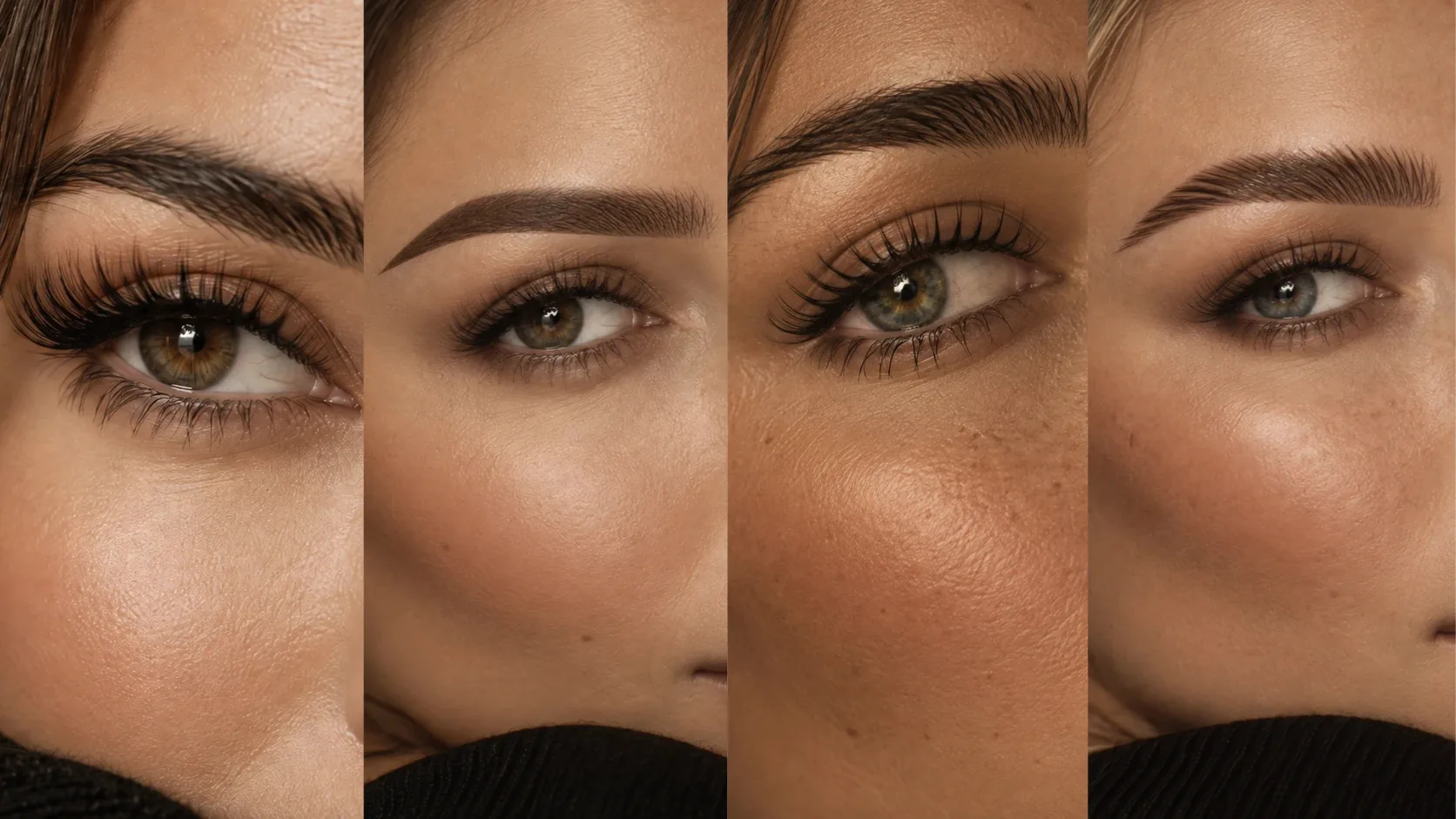
Close-up collage of four eye and brow results showing lash extensions, brow lamination and tint, and refined permanent makeup definition

Service questions

Before you book

Select a question to read the answer.

Lash Extensions

Are lash extensions safe?

Lash extensions can be worn safely by many clients when they are applied carefully and proper hygiene is followed, but reactions can still occur. Eyelash adhesives and other products used around the eye may cause irritation or allergic reactions in some people. Please tell me before your appointment if you have had previous reactions to lash adhesives, eye-area products, tapes or cosmetics.

Can I get lash extensions if I have sensitive eyes or allergies?

Sensitivity does not automatically mean you cannot wear lash extensions, but it is important to discuss any history of eye irritation, allergies or previous reactions before your appointment. A patch test may sometimes be appropriate, but a negative patch test cannot guarantee that a future reaction will not occur.

When should I postpone a lash appointment?

Please postpone your appointment if you have an active eye infection, significant redness, swelling, inflammation or another condition affecting the eye or surrounding skin. The area should be healthy before an elective eye-area cosmetic service.

Can an allergic reaction happen even if I’ve had extensions before?

Yes. Sensitivity can develop over time, so having lash extensions previously without a problem does not guarantee that a reaction can never occur. Let me know if you notice a change in how your eyes or eyelids respond after a service.

What symptoms should I watch for after lash extensions?

Persistent or increasing redness, itching, burning, excessive tearing or swollen eyelids may indicate irritation or an allergic reaction. Eye pain, significant swelling, discharge or changes in vision should be evaluated promptly by a healthcare professional.

What should I do if my eyes become irritated?

Contact me and let me know what you are experiencing. If irritation is significant, persistent, painful or involves the eye itself, contact an appropriate healthcare professional. Do not try to treat a serious eye reaction based only on advice from social media or the internet.

How often do I need a refill?

Refill timing depends on your natural lash cycle, retention and the look you want to maintain. Perfection by Riri offers 2-week and 3-week refill options. If too much of the original set has grown out or shed, a new full set may be necessary.

How should I care for my extensions?

Keep your lashes clean and follow the aftercare instructions provided for your specific set. Avoid rubbing, pulling or picking at the extensions. If you are unsure whether a particular product is compatible with your lashes, ask before using it around the eye area.

Lash Lift

What is a lash lift?

A lash lift reshapes and curls your existing natural lashes. It does not add extensions or make new lashes grow; it changes the appearance of your own lashes by giving them a lifted, curled look.

Is a lash lift safe?

A lash lift uses chemical solutions close to the eye, so irritation or allergic reactions are possible. The service should be performed carefully with products intended for professional lash lifting and the solutions should not come into contact with the eye itself.

What is the difference between Lash Lift and Lash Lift + Tinting?

A Lash Lift reshapes and curls your natural lashes. Lash Lift + Tinting combines the lift with color to make the lashes appear darker and more defined.

Can I get a lash lift if I have sensitive eyes?

Tell me before your appointment if you have sensitive eyes, allergies or a history of reactions to lash lifts, tints, hair dyes, adhesives or other eye-area products. Depending on your history, a patch test or postponement may be appropriate.

Can I have a lash lift if I currently have an eye infection or irritated eyelids?

No elective eye-area treatment should be performed over an active infection or significantly inflamed skin. Please wait until the condition has resolved and seek medical advice when appropriate.

Can I react even if previous lash lifts were fine?

Yes. Allergic sensitization can develop after repeated exposure, so previous tolerance does not guarantee that a future reaction cannot happen.

What should I do if lifting solution gets into my eye?

Chemical exposure to the eye should be taken seriously. Begin rinsing the eye immediately with plenty of clean water or appropriate irrigation fluid and seek urgent medical advice, especially if pain, redness or vision changes persist.

How long does a lash lift last?

The lifted appearance gradually changes as your natural lashes grow and shed. Results vary from person to person, so an exact duration cannot be guaranteed.

Brow Lamination & Tint

What is brow lamination?

Brow lamination uses professional chemical solutions to soften and redirect the brow hairs, allowing them to be styled into a fuller, more polished shape.

Is brow lamination safe?

Many clients tolerate brow lamination well, but the solutions used in brow lamination can irritate the skin or cause allergic contact dermatitis in some people. Correct product use, timing and careful application are important.

Can brow lamination irritate sensitive skin?

Yes. Brow lamination solutions may cause redness, dryness, irritation or an allergic reaction. Please tell me if you have sensitive skin, eczema, dermatitis, known cosmetic allergies or previous reactions around the brows.

Can I react even if I have had brow lamination before?

Yes. Allergic sensitivity can develop over time. Previous treatments without a reaction do not guarantee that future treatments will always be reaction-free.

When should I postpone brow lamination?

Please postpone if the brow area has active irritation, broken skin, significant inflammation, a rash or another active skin condition. Treating already compromised skin may increase irritation.

What is included in Brow Lamination + Tinting + Shaping?

This service combines brow lamination with customized tint and shaping for a more complete, polished brow result.

Can I laminate brows that recently had permanent makeup?

Brow lamination chemicals should not be applied over skin that is still healing from cosmetic tattooing. Permanent makeup should be fully healed before another chemical brow treatment is considered. If you are unsure, contact me before booking.

What should I do if my skin reacts after brow lamination or tint?

Let me know about the reaction and stop using products that appear to worsen the area. If redness, swelling, burning, rash or other symptoms are significant or persistent, contact a healthcare professional.

Permanent Makeup

What is permanent makeup?

Permanent makeup is cosmetic tattooing. Pigment is implanted into the skin to enhance features such as the brows, lips or lash line. Although the appearance can fade over time, permanent makeup should not be treated as something that can always be easily or completely removed.

Is permanent makeup safe?

Permanent makeup breaks the skin barrier, so there are potential risks including infection, allergic reactions, scarring, granulomas and other skin reactions. Proper hygiene, safe technique and appropriate aftercare are important for reducing risk.

What should I tell you before my permanent makeup appointment?

Please tell me about relevant allergies, previous reactions to tattoos or cosmetics, skin conditions in the treatment area, a history of keloid scarring, current infections, previous permanent makeup and any medical condition or medication that may affect healing or bleeding. If a medical question affects whether the procedure is appropriate for you, you may be asked to speak with your healthcare professional before treatment.

Should I stop medications before permanent makeup?

Do not stop or change a prescription medication on your own for a cosmetic procedure. Tell me about medications that may affect the procedure or healing, and discuss any necessary changes with the healthcare professional who prescribed them.

What is normal during healing?

Temporary tenderness, redness and swelling can occur after cosmetic tattooing, and the treated area will change in appearance as it heals. Follow the aftercare instructions you receive. Healing can vary by treatment area and by person.

What signs should concern me during healing?

If the area is becoming increasingly painful, very swollen, unusually hot, develops spreading redness, a concerning rash, drainage, or is not healing as expected, contact an appropriate healthcare professional. Fever or feeling systemically unwell also deserves medical attention.

Can permanent makeup cause an allergic reaction?

Allergic reactions to tattoo pigments are considered uncommon, but they can occur and may be difficult to manage because pigment is placed in the skin. Tell me about previous tattoo, pigment, cosmetic or topical-product reactions before treatment.

Can permanent makeup be completely removed?

Removal can be difficult, may require multiple treatments and complete removal without skin changes or scarring cannot be guaranteed. Never use do-it-yourself acids, tattoo-removal creams or other unverified methods on permanent makeup.

Can I have an MRI after permanent makeup?

Yes, but tell the MRI technologist or radiologist that you have permanent makeup. Rarely, tattoos or permanent makeup may cause temporary swelling or burning during MRI, and some pigments—particularly around the eyes—may affect image quality. Do not avoid a medically recommended MRI because of permanent makeup.

Can permanent makeup cause keloid scarring?

Skin trauma can trigger keloid formation in people who are prone to developing keloids. If you have a personal history of keloid or abnormal scar formation, tell me before booking and consider discussing cosmetic tattooing with a healthcare professional.

What should I know before permanent eyeliner or lash-line tattooing?

Tell me about any current eye irritation, infection, previous reactions, eye-area skin conditions or relevant eye procedures before your appointment. Because the treatment is performed close to the eye, an active eye condition should be resolved before elective cosmetic tattooing.

Lip Blushing & Cold Sores

Can Lip Blushing trigger a cold sore?

Yes. Lip procedures can sometimes trigger a recurrence of a cold sore caused by HSV-1, particularly in people who have had cold sores before. The procedure does not mean you have been newly infected; physical trauma to the lip area can reactivate a virus that was already dormant. If you have a history of cold sores, tell me before your appointment and speak with your healthcare provider about whether preventive antiviral medication may be appropriate for you.

Can I have Lip Blushing if I currently have a cold sore?

No. If you have an active cold sore or warning symptoms such as tingling or burning that usually occur before an outbreak, the Lip Blushing appointment should be postponed. The procedure should be performed only after the area has completely healed.

Do I need antiviral medication before Lip Blushing?

If you have a history of cold sores, discuss this with your healthcare provider before your appointment. Preventive antiviral medication may be considered for some people, but the medication, dose and timing should be determined by an appropriate healthcare professional. Do not use someone else’s prescription or change prescription medication based only on internet advice.

General Safety

What health information should I disclose before an appointment?

Tell me about relevant allergies, previous cosmetic reactions, active infections or inflammation in the treatment area, sensitive skin or eyes, and medical conditions or medications that may affect the service or healing. When there is a medical concern, I may recommend that you speak with your healthcare professional before proceeding.

Should I come to my appointment if I have an active infection or inflammation?

Please contact me before coming in. Cosmetic procedures should generally be postponed when the treatment area has an active infection, significant inflammation, open skin or another condition that could increase irritation or interfere with healing.

Does a patch test guarantee that I will not have an allergic reaction?

No. A patch test can sometimes help identify sensitivity, but it cannot guarantee that a reaction will never occur. Allergic sensitization can develop over time, including after previous services were tolerated without a problem.

When should I seek urgent medical care after a beauty treatment?

Seek prompt medical attention for severe eye pain, vision changes, significant chemical exposure to the eye, signs of a serious infection or a rapidly worsening reaction. Difficulty breathing or swelling of the tongue or throat can be signs of a severe allergic reaction and require emergency medical care.

Who should diagnose or treat a reaction?

I can help you identify the products and procedure that were used and explain normal service aftercare, but diagnosis and treatment of a medical reaction should come from an appropriate healthcare professional.

Do you speak Russian or Ukrainian?

Yes — appointments can be conducted in English, Russian or Ukrainian.

FAQ information is provided for general client education and does not replace individualized medical advice, diagnosis or treatment. If you have a medical concern or are unsure whether a service is appropriate for you, please speak with a qualified healthcare professional.
CLIENT CARE

Still have a question?

I’m here to help. Feel free to reach out before booking if you’re unsure which service is right for you or have a question about your appointment.